Home Inspection vs. Furnace Tune-Up: What’s the Difference?
You are buying a home, and the furnace operates during the inspection. Does that mean it has been serviced and is ready for a Minnesota winter?
Or perhaps the seller provides a recent furnace tune-up receipt. Does that replace the heating-system portion of your home inspection?
These services serve different purposes. Understanding what each includes helps you ask better questions and plan the appropriate follow-up.
What a home inspection covers
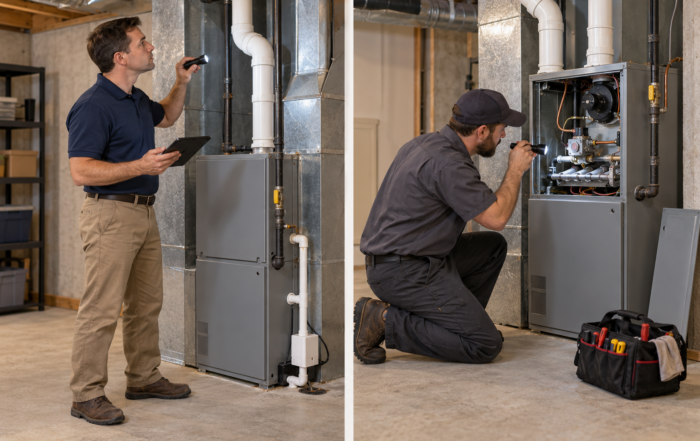
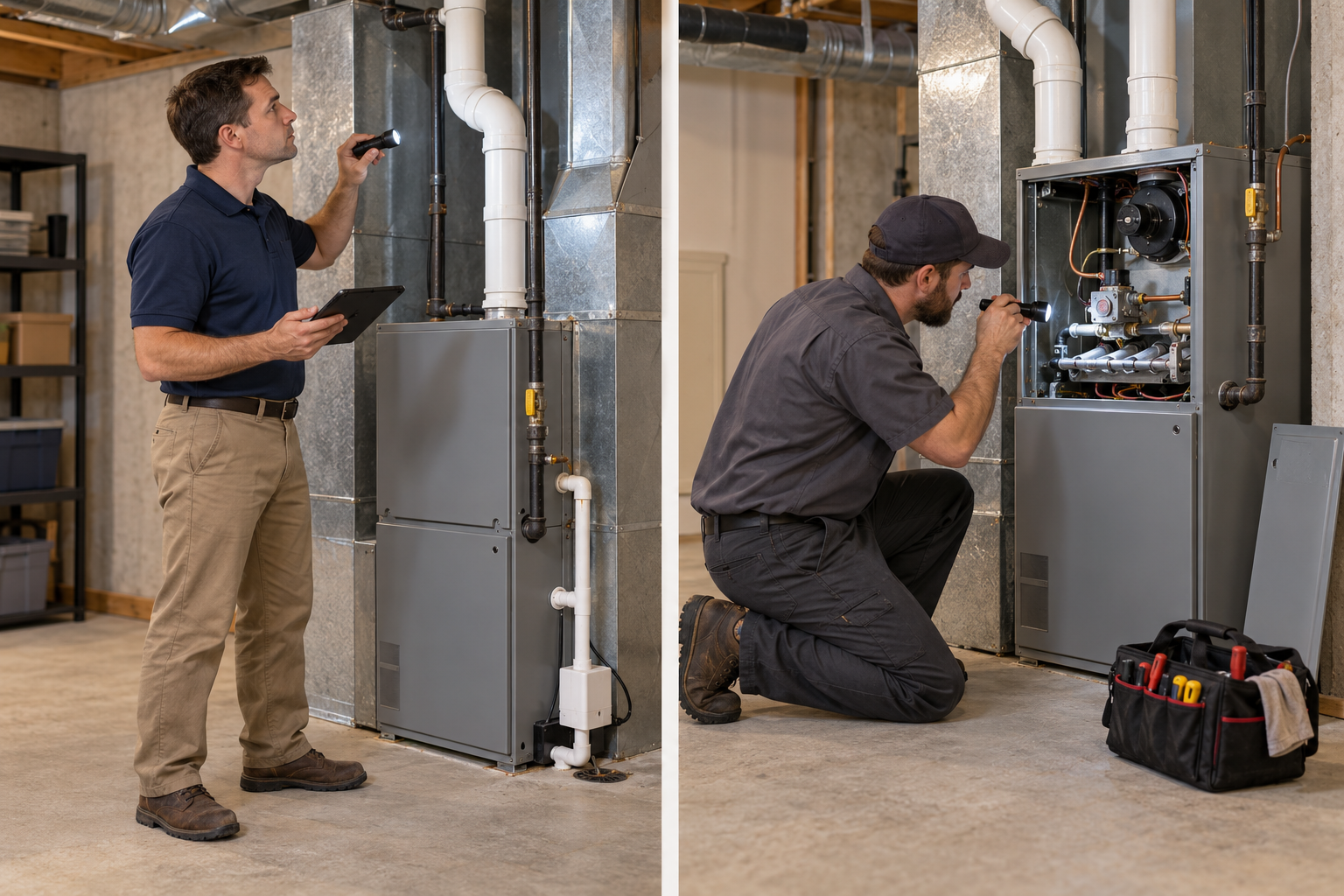
A home inspection evaluates the home’s readily accessible systems and components, including its installed heating equipment.
For the heating system, that generally includes examining accessible equipment, visible venting, and distribution components. The inspector typically operates the system using normal controls when conditions permit and reports observed concerns.
An inspector may identify damaged vent piping, accessible duct concerns, or unusual operation that warrants further evaluation.
The inspection also considers other parts of the home that may affect comfort, such as visible insulation conditions. This broader perspective can help put heating concerns into context.
What a furnace tune-up covers
A furnace tune-up focuses on equipment maintenance and operational checks.
Depending on the equipment and service package, an HVAC technician may clean components, inspect electrical connections, evaluate ignition and controls, and perform heating-specific checks. For a fuel-burning furnace, those checks may include gas pressure, burner combustion, and heat-exchanger condition.
Service packages vary. Ask the provider what is included, which measurements will be taken, and whether you will receive written findings. A receipt labeled “tune-up” does not explain every task performed.
Producing heat does not establish complete condition
A furnace that starts and delivers warm air has demonstrated operation during that period. That observation does not establish the condition of every internal component or predict future reliability.
An intermittent shutdown may not occur during the inspection. A problem that develops during extended operation or unusually cold weather may also be absent during the visit.
Likewise, a recent service visit documents work and observations from that date. It does not guarantee future performance.
Heat-exchanger evaluation is a key distinction
The heat exchanger separates combustion gases from the air circulated through the home.
Under ASHI’s Standard of Practice, inspecting the heat exchanger is outside the required home inspection scope. A routine home inspection should therefore not be interpreted as confirmation that the heat exchanger is free of defects.
If a report recommends an HVAC evaluation, or there are specific concerns about the equipment, ask the service provider what heat-exchanger assessment is appropriate and what limitations apply.
Buying a home? Ask for the service history
Available maintenance records can provide useful context. Request documentation showing when the furnace was serviced, what work was completed, and whether the technician recommended repairs.
Share known symptoms with your inspector and HVAC provider. Recurring shutdowns, uneven heating, unusual noises, or difficulty maintaining temperature deserve attention even when the furnace operates during a particular visit.
When an inspection recommends further evaluation, arrange that follow-up within your inspection contingency period when applicable. Ask for written findings so you understand any recommended work.
Current homeowners benefit from both perspectives
For ongoing maintenance, follow the equipment manufacturer’s service instructions and schedule professional heating-system maintenance, generally annually.
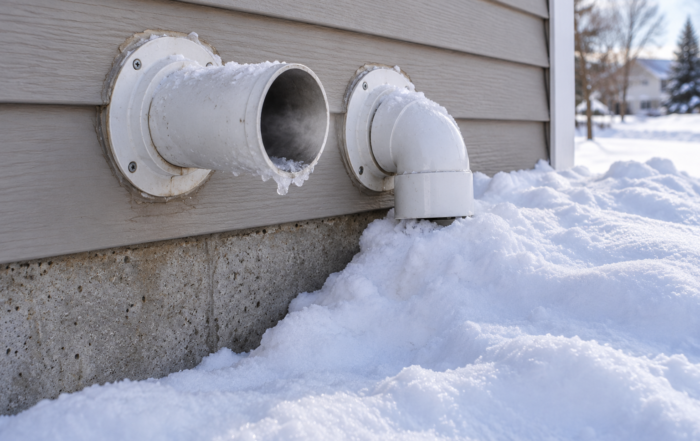
Between visits, maintain the correct filter, keep accessible registers unobstructed, and check exterior vent openings after snowstorms.
New or recurring operating problems call for diagnosis. A maintenance appointment and a specific troubleshooting visit may involve different work, so describe the symptoms when scheduling service.
Understanding the difference helps you plan
A home inspection helps identify observable concerns across the property. A furnace tune-up provides equipment-focused maintenance and checks. Further diagnostic work may be needed when either service identifies a problem.
Together, clear inspection findings, service records, and appropriate follow-up help Minnesota homeowners make informed decisions about their heating systems.
Buying or selling a home in the Twin Cities? Learn more about Inspecta-Homes’ inspection services at inspectahomes.com.