Sewer Scope Inspections for Home Sellers: Should You Inspect Before Listing?
Most conversations about sewer scopes focus on homebuyers. Buyers want information about the underground sewer service line before they take ownership of the property.
Sellers may benefit from understanding that line too.
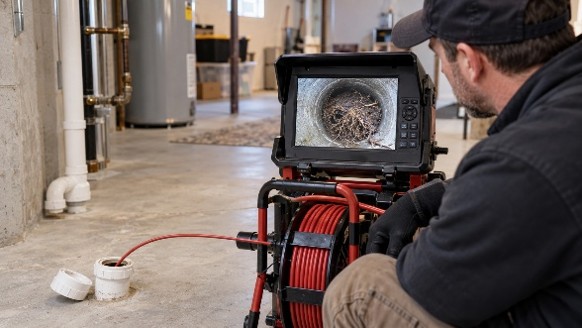
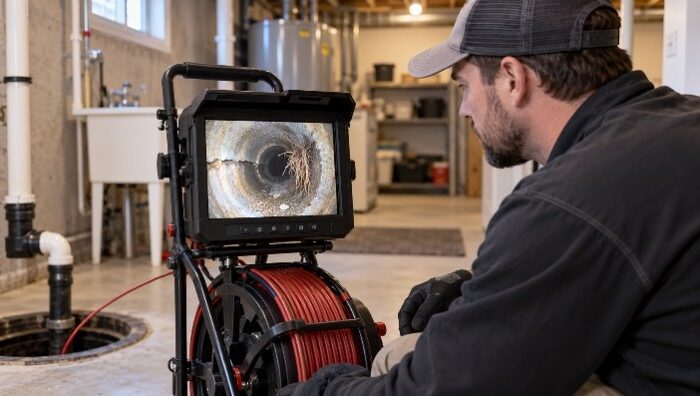
A pre-listing sewer scope uses a camera to observe accessible portions of the sewer line before the home is placed on the market or before a buyer completes inspections. It can help a seller identify visible conditions, organize available records, and consider next steps without the same time pressure that may occur during an inspection contingency.
It is not necessary or appropriate for every seller in every transaction. The decision depends on the property, its history, the local market, the seller’s goals, and advice from the seller’s real estate and legal professionals.
Why might a seller consider a sewer scope?
The sewer service line is largely concealed. A seller may have lived in the home for years without experiencing a backup, yet still know little about the pipe’s material, repair history, or visible interior condition.
Normal drainage is encouraging, but it does not provide a camera view of the buried line. A pre-listing scope may offer information before buyers begin asking questions or ordering their own inspections.
Reasons a seller might consider the service include:
- The home is older and the sewer-line history is incomplete
- Mature trees are located near the probable sewer route
- The line has required recurring cleaning
- A backup or drainage concern occurred in the past
- Part of the line was repaired, lined, or replaced
- The seller wants time to gather records or estimates
- A previous inspection identified a condition that should be revisited
- The property is newer, but construction or installation questions remain
For a general explanation of the service, read What Is a Sewer Scope Inspection—and Does Every Twin Cities Homebuyer Need One?.
More time to understand the findings
When a buyer discovers a sewer concern during the inspection contingency period, the parties may have only a few days to arrange cleaning, contractor evaluation, locating, estimates, and document review.
A seller who inspects before listing may have more time to understand what was observed. Depending on the findings, the seller may choose to gather prior records, obtain specialist opinions, complete maintenance, explore repair options, or simply prepare accurate information for prospective buyers.
The sewer-scope inspector documents visible conditions and recommendations. Decisions about repairs, marketing, negotiation, and disclosure belong to the seller with guidance from the appropriate professionals.
What might the inspection reveal?
Depending on accessibility and conditions, a sewer camera may show:
- Root intrusion
- Cracks, breaks, or openings
- Separated or offset connections
- Debris, buildup, or an obstruction
- Standing water in a low area
- Deterioration, corrosion, or deformation
- Material transitions or evidence of previous work
- A limitation that prevents the camera from traveling farther
Not every observation has the same significance. Its location and extent, the pipe material, apparent drainage, visibility, and ability to inspect the line all matter.
Our guide, Five Sewer Line Problems That May Be Hidden Beneath a Twin Cities Home, explains several common findings in more detail.
A finding does not automatically require replacement
Sellers sometimes avoid inspections because they fear that any irregularity will lead to a recommendation for complete replacement. That is not how every sewer finding should be interpreted.
A report may identify a maintenance item, an area that should be monitored, a limitation that requires reinspection, or a condition that deserves evaluation by a qualified sewer contractor. Possible next steps can range from gathering records or cleaning the line to locating an area and obtaining repair options.
The appropriate response depends on the complete set of observations. A descriptive term such as roots, standing water, or offset does not by itself establish the required repair.
For help interpreting common terminology, read Understanding Your Sewer Scope Results: What Common Findings Mean. Verify the final Series 5 URL before publishing if its WordPress slug differs.
Should the seller clean the line before the scope?
Not automatically.
Cleaning before the initial inspection may improve visibility, but it can also change the conditions that would otherwise have been observed. If the seller has a history of recurring cleaning or recent drainage symptoms, that history is useful information.
A practical approach is to discuss the circumstances when scheduling the inspection. If the first scope identifies debris, roots, or another obstruction, the report may recommend professional cleaning followed by reinspection.
Any cleaning records should be retained. Dates, invoices, methods used, and follow-up video can help establish a clearer maintenance history.
What if the camera cannot inspect the entire line?
An incomplete sewer scope does not prove that the unseen portion is defective. It means that portion was not observed.
The camera may be stopped by roots, debris, standing water, damaged piping, a sharp change in direction, limited access, or equipment-distance limitations. The next step depends on the reason.
Cleaning, another access point, surface locating, contractor evaluation, or a follow-up scope may be appropriate. Series 6, What Happens When the Sewer Camera Cannot Reach the End of the Line?, explains these limitations in greater detail. Verify the final Series 6 URL before publishing if its WordPress slug differs.
Records can strengthen the property’s sewer history
A current sewer video is most useful when considered with reliable property records. Sellers should look for:
- Previous sewer-scope videos and reports
- Cleaning and maintenance invoices
- Repair or replacement contracts
- Permits and municipal records
- Liner documentation
- Transferable warranties
- Diagrams or photographs showing where work occurred
- Contractor information and completion dates
If the line was described as “replaced,” determine whether the work involved the entire private line or only one section. A newer segment may connect to older piping farther from the house.
The age of the home also does not conclusively establish the age of the sewer line. Older properties may contain newer repairs, while newer homes can still present construction debris, settlement, or installation-related concerns.
Read Buying an Older Twin Cities Home? Here’s Why You Should Consider a Sewer Scope and Do Newer Twin Cities Homes Need a Sewer Scope? for more context.
How should sellers handle the report?
A pre-listing report should be reviewed carefully with the recorded video. Sellers should ask the inspector to clarify unfamiliar language and follow recommendations for additional evaluation when appropriate.
Questions may include:
- How much of the intended line was observed?
- Did the camera reach an identifiable endpoint?
- Were movement or visibility limited?
- Is cleaning or reinspection recommended?
- Should a qualified sewer contractor evaluate a condition?
- Would surface locating help identify the area?
- What supporting records would be useful?
Sellers should also discuss disclosure and document-sharing obligations with their real estate professional or attorney. Requirements and transaction practices can vary. A sewer-scope inspector does not provide legal advice or determine what a seller must disclose.
Could the report help during the sale?
A recent report and recorded video may help answer questions about the sewer line, particularly when the inspection was complete and any recommendations were addressed or evaluated.
However, a pre-listing scope does not prevent a buyer from ordering an independent inspection. Conditions can change, the buyer may use a different provider, and the buyer’s inspector may have different access or observations.
The value of the seller’s inspection is preparation. It can reduce uncertainty about a concealed system and give the seller more time to respond thoughtfully if a concern is identified.
When should the inspection be scheduled?
If a seller chooses a pre-listing sewer scope, it should be scheduled early enough to allow time for any recommended cleaning, reinspection, contractor evaluation, locating, or estimates.
Completing the service immediately before listing may still leave the seller under pressure if additional work is needed. The right timing depends on the planned listing date and the professionals who may need to become involved.
The seller should keep the final report, video, invoices, estimates, permits, and repair documentation together so they are available when questions arise.
A pre-listing scope is a planning tool
The purpose of a seller’s sewer scope is not to promise that the line will never experience a problem. It is to provide current visual information about accessible portions of a concealed system.
Some sellers may decide that the additional information is valuable before the home reaches the market. Others may wait for the buyer’s inspection. The best choice depends on the individual property and transaction.
When sellers choose to inspect, the greatest benefit is often time: time to understand the findings, gather records, consult qualified professionals, and decide how to proceed.
Schedule a pre-listing sewer scope with Inspecta-Homes
Inspecta-Homes has served Minnesota and Western Wisconsin homebuyers, homeowners, sellers, and real estate professionals since 1981. Our sewer-scope service provides a recorded view of accessible portions of the sewer line and a report documenting visible conditions and inspection limitations.
Preparing to sell? Learn what may be hidden before the listing goes live. Explore our Sewer Inspection Service, Schedule Now, or call 651-641-0641 to arrange a pre-listing sewer scope.