Buying a Home in Winter? What a Minnesota Home Inspection Can Tell You
Episode 8 · Before Minnesota Freezes – What Homeowners Should Know
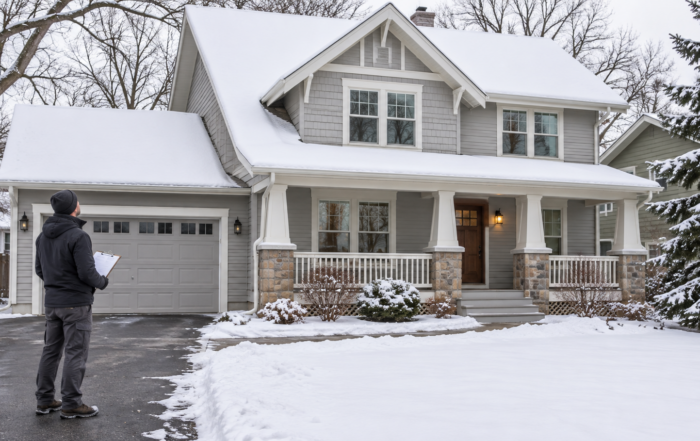
You found a house you like. The furnace is running, the driveway is plowed, and the roof is covered in snow. What can your home inspector tell you before you make a decision?
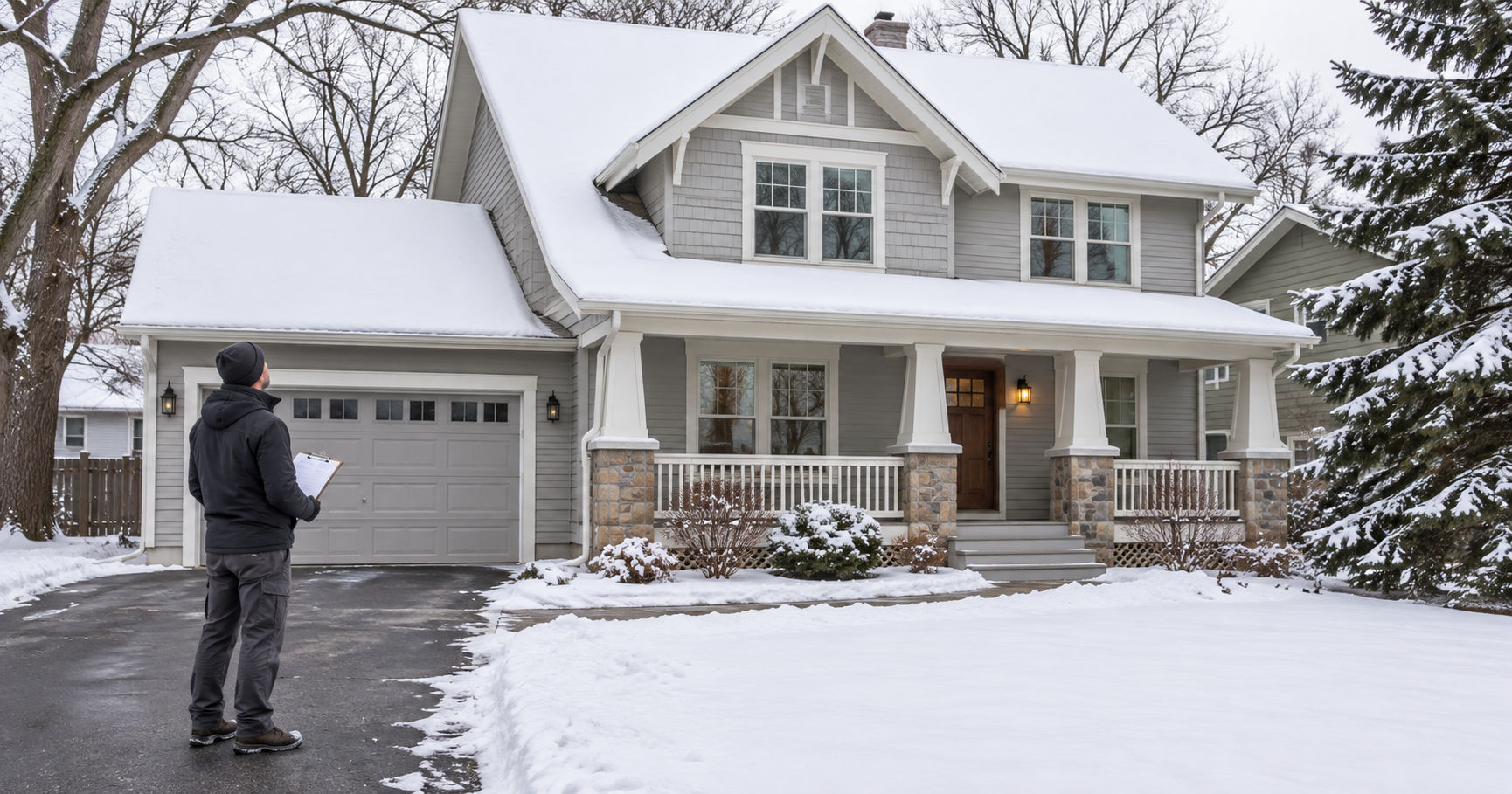
A winter home inspection can give you a clear picture of the areas the inspector can safely see and access. The report can also help you decide what to ask the seller about or have evaluated before closing.
What can the inspector see in winter?
The inspector can evaluate many of the same accessible components as in warmer months, including visible plumbing and electrical components, the installed heating system, interior walls and ceilings, and accessible attic and basement areas. In an accessible attic, cold weather may make frost on the underside of the roof easier to spot. A basement wall can also show staining that warrants a closer look.
The inspector describes what they observe and can recommend further evaluation when the source or extent of a problem needs more investigation.
What can snow and cold limit?
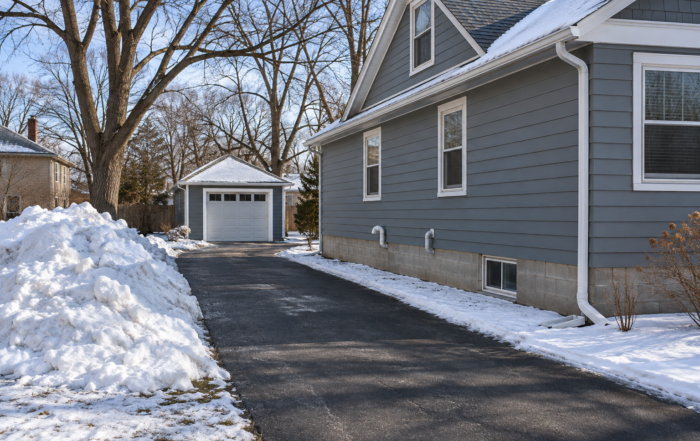
Snow can cover roof shingles, parts of the grading around the foundation, and sections of walkways and driveways. Ice may make an area unsafe to reach. The inspector can report on visible portions and explain where conditions limited the view. The American Society of Home Inspectors discusses common limits to inspection access.
Cold temperatures can also limit whether the inspector operates the cooling equipment. A report may describe visible air-conditioning components and note that operating the system was deferred because of the conditions. See ASHI’s Standard of Practice.
What should buyers ask before closing?
Read the inspection report with your real estate agent while you still have time to act under your purchase agreement. If a major item was limited by weather, ask what information is available now and what follow-up makes sense.
- Roof covered with snow? Ask about its age, past leaks or repairs, and any available receipts or photos. Discuss whether a roofing contractor can evaluate it before closing.
- Cooling equipment left off? Ask for service records and find out when a qualified HVAC contractor could safely test it.
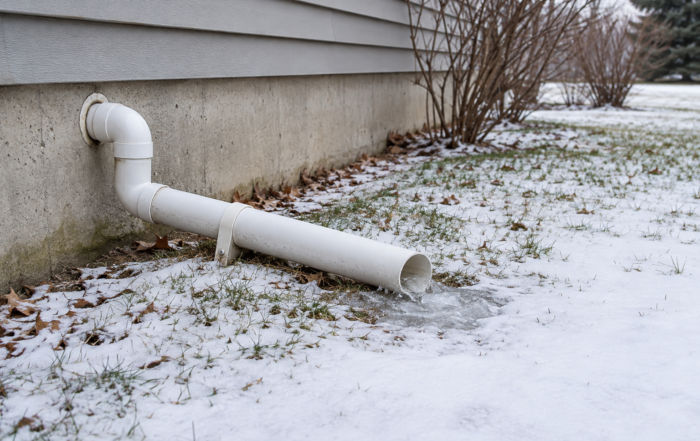
- Drainage hidden by snow? Ask how the property handles spring melt, where downspouts discharge, and whether the sellers have seen water in the basement or window wells.
Start with the limitations that could affect your purchase decision. If a follow-up depends on a thaw or warmer temperatures, make a plan with your agent while you still have time to discuss your options.
Over this series, we’ve looked at everything from outdoor faucets and frozen pipes to radon, sump pumps, and snowmelt. If you’re moving into a home this winter, use your inspection report to decide what needs attention now and what to look at again in spring. Catch up on Before Minnesota Freezes on the Inspecta-Homes blog.
Buying in the Twin Cities or Western Wisconsin? Schedule your home inspection with Inspecta-Homes or call 651-641-0641.