Before Minnesota Freezes
Where Should You Pile Snow Around Your Minnesota Home?
Episode 7 · Before Minnesota Freezes – What Homeowners Should Know
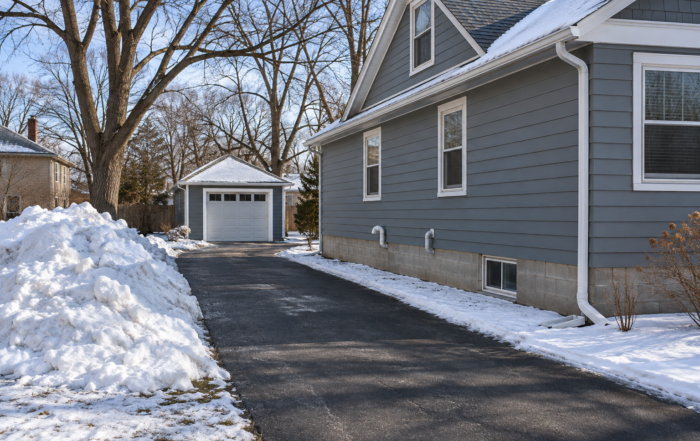
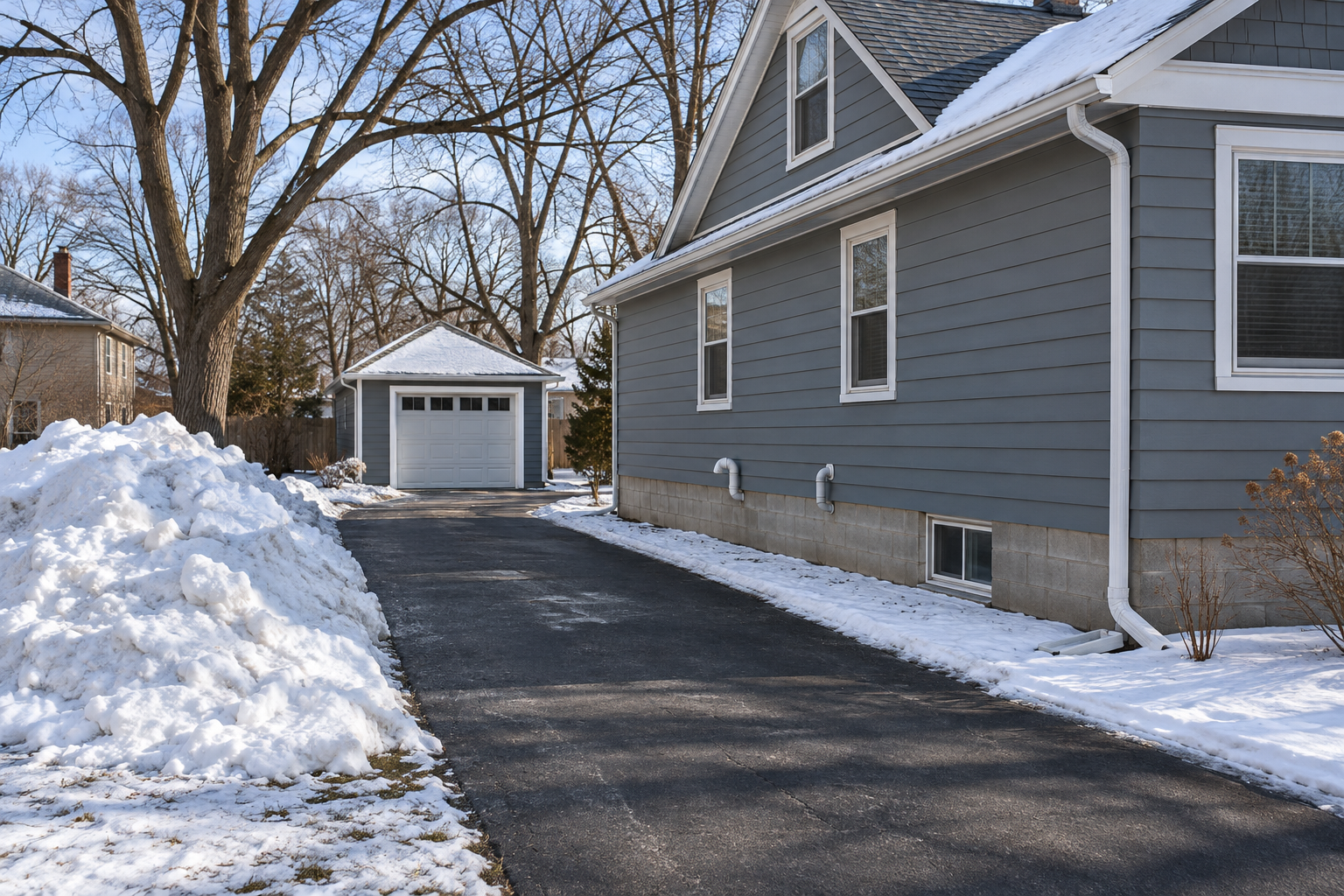
After a snowfall, the easiest place to push snow is often right beside the garage or along the side of the house. A few storms later, that pile can cover a basement window, block a furnace vent, or leave meltwater with nowhere to go except toward the foundation.
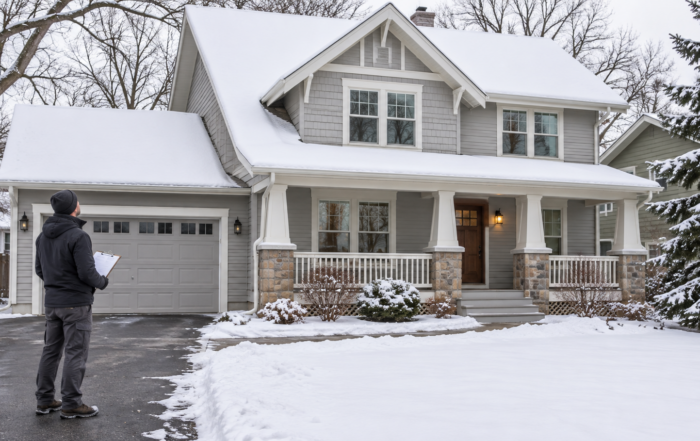
Before the next storm, take a walk around your home and decide where the snow should go.
Think about where the water will go
Look at your usual snow pile and picture a warm afternoon in February. If the ground slopes toward the house, meltwater can collect against the foundation or run into a window well. If it crosses a walkway or driveway, it can refreeze there overnight.
Choose a spot where runoff will flow away from the house and stay off the paths you use. Pay particular attention to the inside corners where a driveway meets the garage, the area below downspouts, and any low spots beside the foundation. The University of Minnesota Extension guide to basement moisture explains how grading and downspout placement affect where water collects.
Mark the spots you need to keep clear
Before the snow gets deep, locate these areas so you can find them again after a storm:
- Furnace and water heater vents. If your equipment vents through a sidewall, keep the intake and exhaust openings clear of snow and ice. Check them again after drifting or plowing.
- Gas meter. Leave room to reach it. Follow your utility’s instructions and gently brush away loose snow with a broom. If ice is stuck to the meter, call your utility for guidance. See Minnesota Energy Resources’ vent and meter safety tips.
- Basement window wells. Keep snow piles away from the wells and leave any emergency escape window accessible.
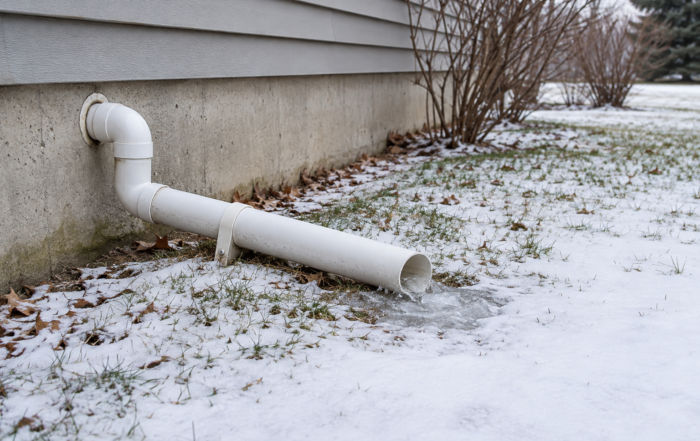
- Downspout outlets and sump pump discharge. Keep the outlets clear and look for runoff that comes back toward the house.
Take another look during the first thaw
A mild afternoon can show you where winter drainage needs attention. From the ground, look for puddles against the foundation, water collecting in a window well, or meltwater flowing across the front walk. Inside, check the basement along the same wall for new dampness or staining. If you see the same pattern on successive thaws, note where and when it happens. That information can help a drainage professional investigate the source.
Buying or selling in the Twin Cities or Western Wisconsin? Schedule an inspection with Inspecta-Homes or call 651-641-0641 to talk through your inspection needs.