
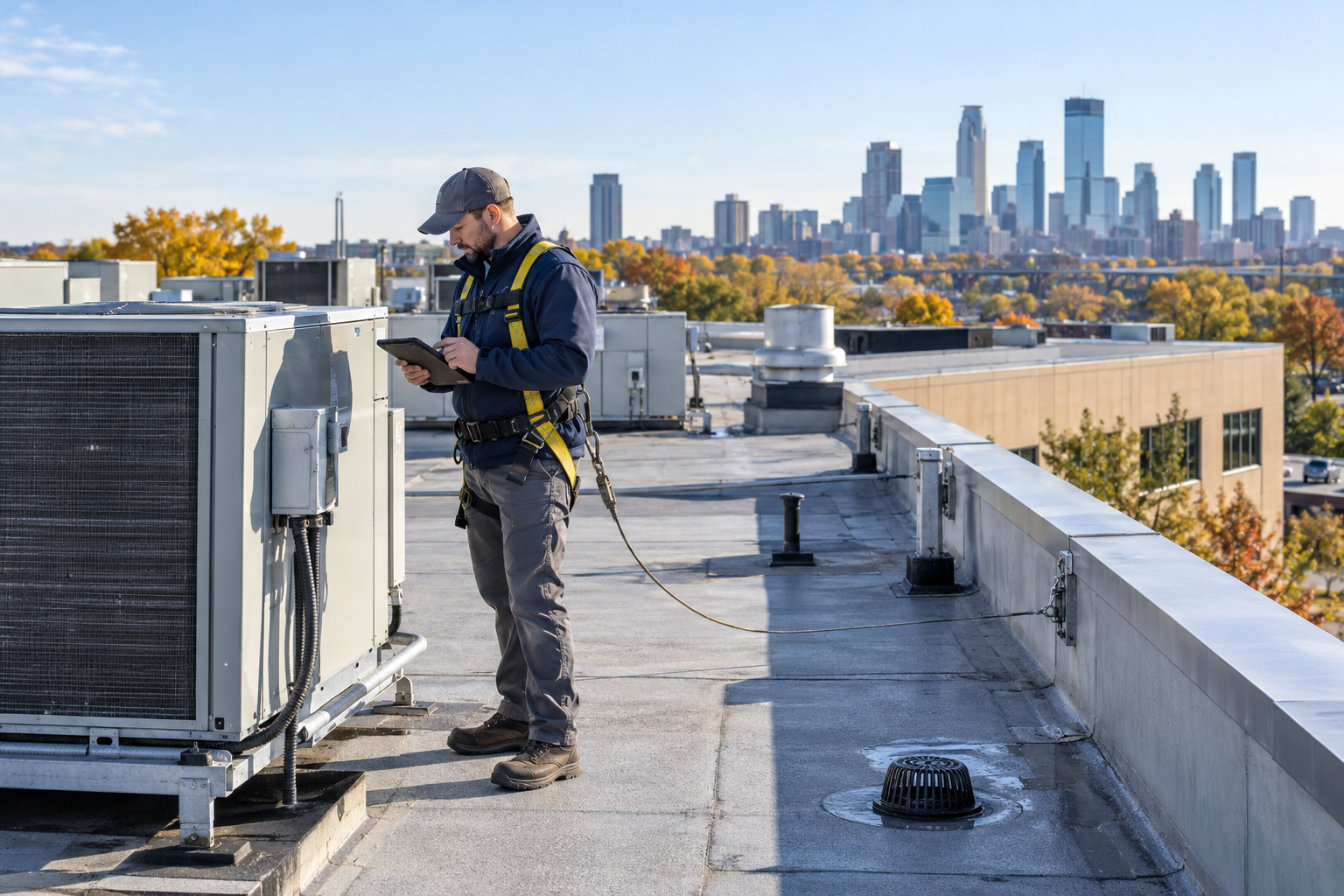
Purchasing, leasing, or managing a commercial building can involve significant financial risk. A professional commercial property inspection provides valuable information about the building’s visible condition and helps clients better understand potential repairs, safety concerns, and maintenance needs.
Whether you are evaluating an office building, retail space, warehouse, multifamily property, or mixed-use building, a commercial inspection can help you make a more informed decision.
What Is a Commercial Property Inspection?
A commercial property inspection is a visual assessment of a building’s accessible systems and components. Its purpose is to identify observed deficiencies, signs of deterioration, potential safety concerns, and items that may require additional evaluation or repair.
A commercial inspection is not the same as a real estate appraisal. An appraisal estimates a property’s market value, while an inspection focuses on its physical condition.
What Does a Commercial Building Inspection Cover?
The scope of a commercial inspection depends on the property’s size, age, use, construction, and the client’s specific needs. When accessible and included in the agreed scope, an inspection may evaluate:
- Site grading, drainage, parking areas, sidewalks, and driveways
- Building exterior, siding, masonry, doors, and windows
- Roof coverings, flashing, drainage systems, and visible roof components
- Structural components and visible signs of movement or deterioration
- Electrical service, panels, wiring, outlets, and fixtures
- Plumbing supply, drainage, fixtures, and water-heating equipment
- Heating, ventilation, and air-conditioning systems
- Interior walls, ceilings, floors, stairs, and common areas
- Attics, basements, crawl spaces, and mechanical rooms
- Visible fire- and life-safety features
- Installed appliances and other permanently installed equipment included in the scope
Large or specialized properties may require additional professionals, such as structural engineers, electricians, HVAC contractors, roofing specialists, or environmental consultants.
What Happens During the Inspection?
Before the inspection, the inspector and client establish a scope of work based on the property and the client’s objectives.
The inspector then performs a visual, noninvasive examination of the accessible areas and building systems included in that scope. Photographs and specialized inspection tools may be used to document observed conditions.
Afterward, the client receives a written report describing significant findings, visible deficiencies, maintenance concerns, and recommendations for repair or further evaluation.
Why Is a Commercial Property Inspection Important?
A commercial building can contain expensive systems and hidden maintenance demands. An inspection can help uncover visible concerns before they become unexpected financial burdens.
The findings may help clients:
- Better understand the building’s current condition
- Identify potential repair and maintenance priorities
- Prepare for future capital expenses
- Evaluate whether additional specialist assessments are needed
- Make more informed purchasing or leasing decisions
- Establish a condition baseline for property management
- Support negotiations during the due-diligence period
An inspection does not predict every future expense, but it can significantly improve your understanding of the property before moving forward.
Who Should Schedule a Commercial Inspection?
Commercial inspections can benefit:
- Buyers and real estate investors
- Property owners and managers
- Business owners purchasing or leasing space
- Landlords and commercial tenants
- Lenders and asset managers
- Sellers preparing to market a property
The inspection should be scheduled early enough in the due-diligence process to allow time for reviewing the report and arranging any additional evaluations.
Does a Commercial Inspection Verify Building-Code Compliance?
A standard commercial property inspection is generally not a comprehensive building-code or regulatory-compliance inspection. It may identify visible safety concerns or conditions that warrant further investigation, but formal code compliance should be evaluated by the appropriate authority or qualified specialist.
Environmental testing, accessibility reviews, fire-protection system certification, destructive testing, engineering analysis, and cost estimates may also fall outside a standard inspection unless specifically included in the agreed scope.
What Types of Commercial Properties Can Be Inspected?
Commercial inspections may be performed on many types of properties, including:
- Office buildings
- Retail stores and shopping centers
- Restaurants
- Warehouses and light-industrial buildings
- Medical and professional buildings
- Apartment and multifamily properties
- Mixed-use buildings
- Churches and community facilities
- Small businesses and standalone commercial buildings
Because no two commercial properties are identical, the inspection scope should be tailored to the building and the client’s objectives.
Schedule a Commercial Property Inspection in the Twin Cities
Inspecta-Homes has served property owners and real estate professionals throughout the Twin Cities and surrounding communities since 1981. Our team can help you better understand the visible condition of a commercial property before you buy, lease, sell, or plan future improvements.
Learn more or request an inspection through our Commercial Property Inspection page, or call 612-788-9608 to discuss the property and determine an appropriate inspection scope.


