Why Does My Furnace Keep Turning On and Off?
You hear the furnace start, feel warm air coming from the registers, and then notice it shut off. A short time later, it starts again but the house still feels chilly.
During a Minnesota winter, repeated starts and stops can raise questions about whether your heating system is working properly. This pattern may be called short cycling, and understanding what you are observing can help you decide when to seek service.
What is furnace short cycling?
Short cycling generally describes a furnace repeatedly starting and stopping before completing an appropriate heating cycle.
However, frequent operation alone does not establish a problem. Outdoor temperatures, thermostat settings, and equipment design affect how a furnace operates. Some systems adjust their heating output or blower speed during normal operation.
Instead of relying on a specific number of minutes, pay attention to the pattern: Is the furnace repeatedly shutting down while the thermostat is still calling for heat? Is this a recent change? Is the home struggling to reach its temperature setting?
Those observations are useful information for an HVAC professional.
Restricted airflow can contribute
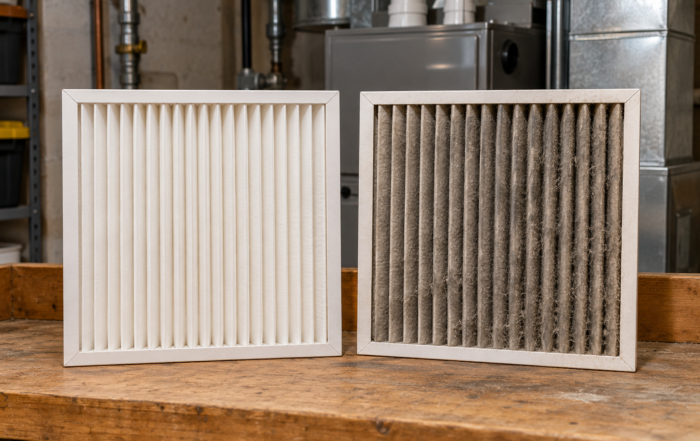
As we covered in the previous episode, a dirty furnace filter can restrict airflow. When too little air moves through the equipment, temperatures inside the furnace may rise enough to activate a safety limit that interrupts burner operation.
Blocked return-air grilles and closed or obstructed supply registers may also contribute to airflow problems.
Check accessible openings for furniture, rugs, or other obstructions. Inspect the filter according to the equipment instructions and replace it when needed using the correct size and type.
A filter change does not confirm that the underlying problem has been resolved. Continued shutdowns need professional evaluation.
The thermostat may be part of the picture
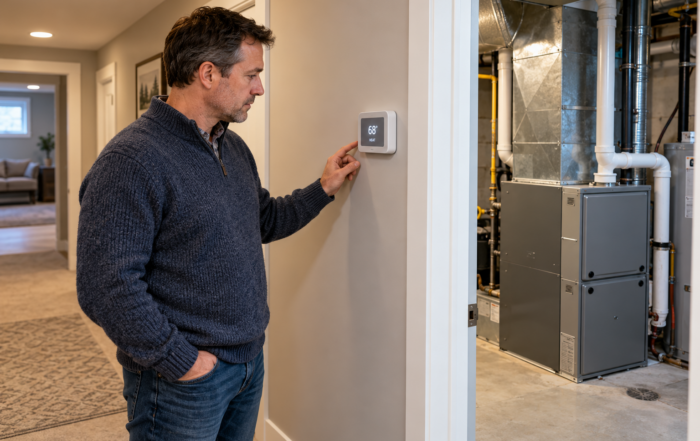
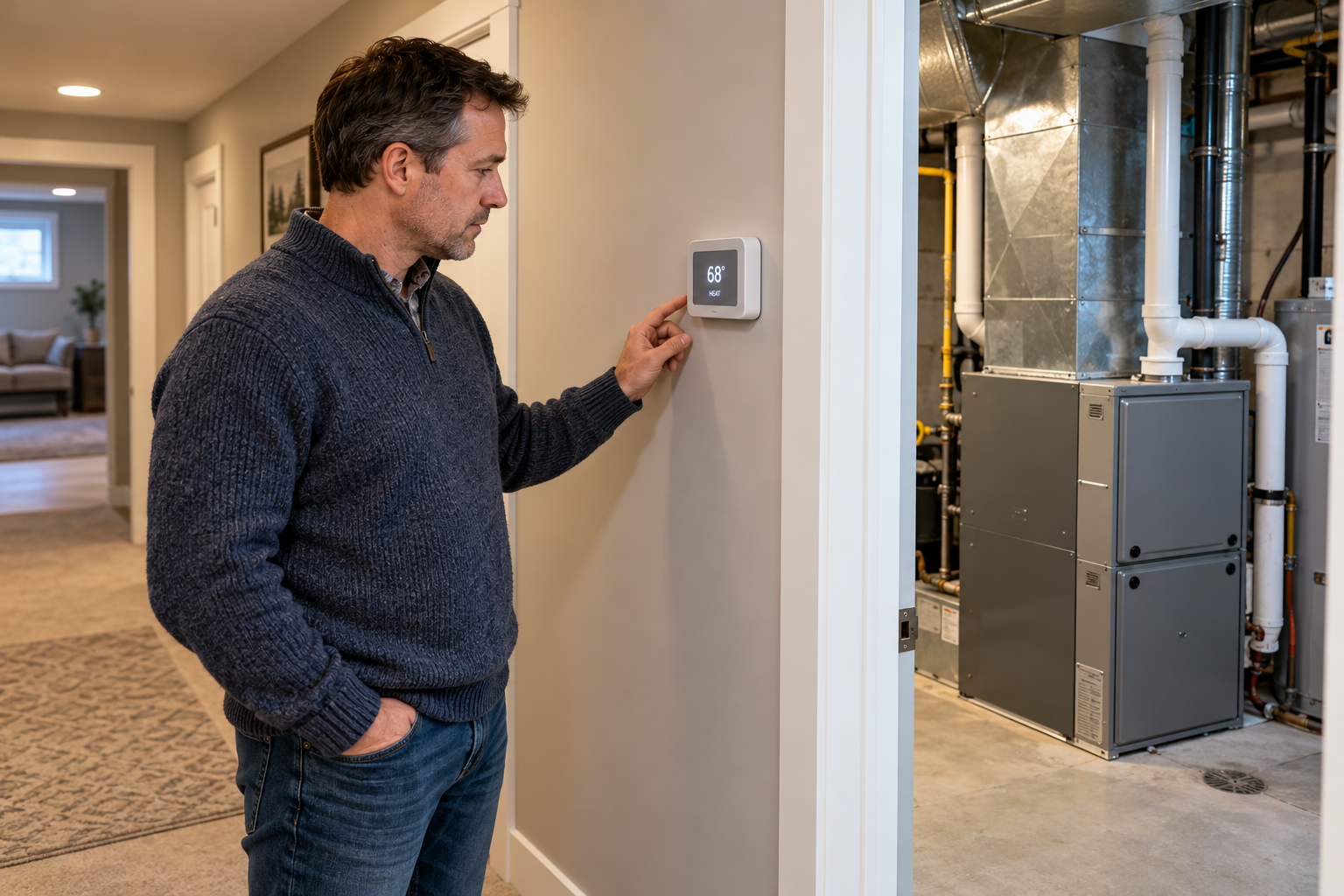
A thermostat responds to conditions near its location. Direct sunlight or a nearby heat source may affect its reading, causing the heating cycle to end while other areas remain uncomfortable.
Incorrect settings, battery issues, or control problems can also affect operation.
Check the displayed settings and follow the thermostat manufacturer’s instructions for routine maintenance. Leave wiring changes, relocation, and equipment configuration to a qualified professional.
Equipment problems require diagnosis
Repeated shutdowns can also involve ignition, flame-sensing, venting, or other equipment issues. An oversized furnace may produce short heating cycles because its output exceeds the home’s needs.
These possibilities cannot be distinguished simply by listening to the furnace. A technician may need to evaluate airflow, controls, combustion, and equipment sizing to identify the cause.
Short cycling alone does not establish that the furnace needs replacement.
Record the pattern instead of repeatedly resetting it
If you notice repeated starts and stops, make a few notes for your service provider:
- Does the home reach the thermostat setting?
- Approximately how long does the furnace operate before stopping?
- Does the blower continue running after the heat stops?
- Is an error message visible on the thermostat or through an existing viewing window?
Observe without removing equipment panels. Avoid repeatedly interrupting power to clear a fault and never bypass a safety control.
If the furnace continues shutting down before meeting the heating demand, turn it off using the normal controls and contact a qualified HVAC professional promptly.
What a home inspection can identify
A home inspector may observe unusual cycling while operating the heating system during an inspection and recommend further evaluation.
An inspection reflects conditions during that visit. It does not reproduce every weather condition or operating pattern, and an intermittent problem may not occur while the inspector is present.
If you know the furnace has been cycling unusually, share that history with your inspector. Recurring symptoms deserve attention even when the equipment operates during the inspection.